From Overwhelmed to Effortless: How Smart Discount Alerts Gave Me My Life Back
Shopping used to stress me out—endless scrolling, missed deals, budget anxiety. I’d save links, set reminders, and still overspend. Then I discovered personalized discount alerts that actually worked with my life, not against it. No more chaos. Just smart, timely notifications that fit my routine. This isn’t about shopping more—it’s about living better. Let me show you how reclaiming control over discounts changed everything.
The Chaos of Modern Shopping: Why We’re All Drowning in Deals
Remember when shopping used to feel like a break? A little treat for yourself in the middle of a busy week? These days, it feels more like another chore on the list—one that comes with noise, pressure, and guilt. I used to open my phone and get hit with five sale alerts before breakfast. “Flash sale!” “Last chance!” “Don’t miss out!” The messages kept coming, but the savings never seemed to stick. I’d click through, get distracted by something I didn’t need, and end up spending more. Sound familiar?
It wasn’t just the volume—it was the disorganization. I had coupons saved in three different apps, browser tabs full of “must-buy” items, and a note on my phone titled “Stuff to Watch.” But when I actually needed something—like my daughter’s favorite yogurt that was suddenly out of stock—I couldn’t find the deal. I’d drive to three stores only to pay full price, frustrated and defeated. The irony? There were discounts out there. I just couldn’t see them through the clutter.
And I wasn’t alone. So many of us are caught in this cycle: chasing deals that don’t matter, missing the ones that do, and feeling like we’re failing at being smart shoppers. The truth is, we’re not failing. The system is. Retailers want our attention, not our peace of mind. They flood us with offers hoping we’ll act fast and buy more. But for someone juggling family, work, and self-care, this kind of shopping doesn’t help—it hurts. It adds mental load. It creates anxiety. And worst of all, it makes us feel like we’re not doing enough, even when we’re doing so much.
My breaking point came during a late-night feed. My baby was fussy, we were out of formula, and I remembered seeing a coupon weeks ago—but where? I searched my email, my apps, even my text messages. Nothing. I ended up ordering online with next-day delivery, paying full price plus shipping. As I sat there feeding her, I thought: There has to be a better way. I shouldn’t have to choose between being a good mom and being a smart shopper. That moment lit a fire in me. I was done reacting. It was time to take control.
The Turning Point: When I Stopped Chasing Deals and Started Organizing Them
For years, I thought the solution was to work harder. Wake up earlier. Check more apps. Bookmark more sites. But the harder I tried, the more overwhelmed I felt. The real shift happened when I asked a different question: What if I didn’t have to chase deals at all? What if the right deals could find me—calmly, quietly, at exactly the right time?
That’s when I stopped seeing technology as the problem and started seeing it as the solution. Instead of letting every store blast me with notifications, I began looking for tools that could filter, sort, and prioritize. I wanted something that knew my habits, respected my time, and only spoke up when it mattered. Something that didn’t add to the noise but helped me cut through it.
I started experimenting with a few apps that promised personalized alerts. Most were just repackaged spam. But one stood out because it didn’t ask me to follow every brand or turn on every notification. Instead, it asked simple questions: What do you buy most often? Which stores do you visit? When do you usually shop? It felt like someone was finally listening—not selling.
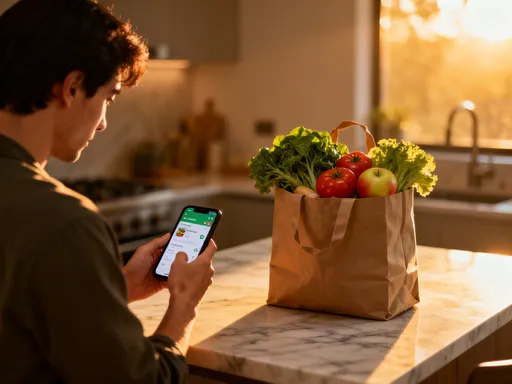
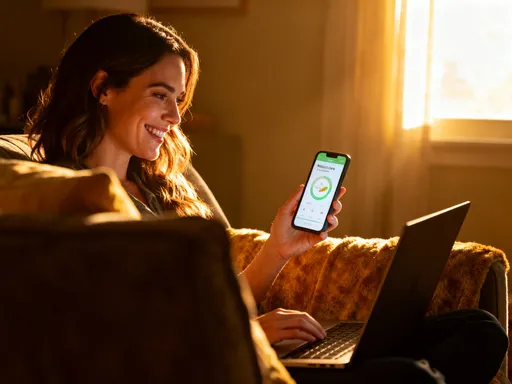
The first week, I got only two alerts. One was for a buy-one-get-one deal on the laundry detergent I use. The other was a price drop on the organic apples I buy every week. No hype. No urgency. Just useful information, delivered at 8 a.m. on a Tuesday—right when I was planning my grocery run. I used both. I saved money. And for the first time in years, I didn’t feel guilty about ignoring the rest of the sales.
That’s when it hit me: I wasn’t being lazy by not checking every deal. I was being smart. By trusting a system that understood my life, I was finally free to live it. The guilt faded. The stress softened. And I realized something powerful—control doesn’t come from doing more. It comes from letting the right tools do the work for you.
How Smart Discount Systems Actually Work (Without the Tech Jargon)
I know what you’re thinking: “This sounds great, but isn’t it complicated? Do I need to be tech-savvy?” Not at all. These tools aren’t magic, and they’re definitely not just for young digital natives. Think of them like a helpful neighbor who’s always noticed what you buy and when. Over time, they start to remember. They see you picking up oat milk every Tuesday. They notice you stock up on wipes when they’re on sale. And one day, they text you: “Hey, your store has oat milk for $2.99 today. Want me to remind you?” That’s basically what these systems do—just faster and more accurate.
Behind the scenes, they use something called “machine learning,” but you don’t need to understand that to benefit. All you need to know is that the more you use the app, the better it gets at predicting what matters to you. It connects to your loyalty cards, scans your past purchases, and learns your rhythm. If you shop every Sunday after church, it sends alerts Saturday night. If you only buy frozen meals when the kids have late practices, it waits for those weeks.
Another way to think about it is like a librarian. Imagine walking into a huge library with thousands of books. Without help, finding the one you want is overwhelming. But a good librarian knows your taste. They’ve seen what you check out. So when a new book in your favorite genre arrives, they put it on the shelf with a little note: “This might interest you.” That’s what these apps do—they filter the noise and hand you only what’s relevant.
Or picture your favorite coffee shop. The barista learns your order. After a few visits, they start preparing your latte before you even say a word. That’s not mind reading. It’s pattern recognition. Smart discount tools work the same way. They don’t bother you with sales on men’s razors if you’ve never bought them. They don’t alert you about midnight flash sales if you’re asleep by 9 p.m. They adapt. They respect your time. And over time, they become less like an app and more like a trusted helper.
Building a Personalized System: My Step-by-Step Setup
I didn’t go all in overnight. I started small, and I recommend you do too. The goal isn’t to replace every shopping habit at once—it’s to build trust with the system. Here’s exactly how I did it.
Step one: I picked two categories that mattered most—diapers and household staples. These were recurring expenses, and I was always looking for deals. I linked my store loyalty accounts to a single app that aggregated discounts based on my purchase history. No more juggling five different store apps. One place, clear alerts.
Step two: I connected my calendar. This was a game-changer. The app could now see that I usually grocery shop on Sundays and restock snacks midweek. It started timing alerts accordingly. No more 2 a.m. notifications about a flash sale I’d miss.
Step three: I set preferences. I told the app which brands I prefer, which stores I visit, and my budget range for key items. For example, I said I’d pay up to $12 for a pack of diapers but would love an alert if it dropped below $10. It began tracking price changes and only notified me when it hit my target.
Step four: I gave it time to learn. For the first two weeks, I didn’t expect perfection. I just used it, clicked on alerts that helped, and ignored the rest. Each time I ignored something, the app learned. “She doesn’t care about pet food,” it realized. “She shops at the local market, not the big-box store on the highway.”
Within a month, it was uncanny. It alerted me two days before my usual diaper run that my brand was on sale—and only for 48 hours. I saved $15. Another time, it noticed I hadn’t bought dish soap in six weeks and reminded me with a coupon for my favorite kind. I didn’t feel stalked. I felt supported.
Privacy was a concern at first, but I made sure to choose a platform with clear data policies. I reviewed permissions, turned off location tracking when not needed, and used strong passwords. This isn’t about giving up control—it’s about sharing just enough to gain more.
Real-Life Impact: Time, Money, and Mental Space Saved
The savings were real, but the emotional relief was even bigger. Let me share the numbers, because they matter. In the first three months, I reduced my grocery spending by nearly 30%. Not by buying junk on sale, but by getting the things I already needed at better prices. I stopped impulse-buying because I felt “I might miss out.” Instead, I waited. And more often than not, the alert came.
Time-wise, I saved at least two hours a week. No more driving around to compare prices. No more last-minute store runs. I could plan my trips around actual deals, not emergencies. I even started batch-shopping—buying in bulk when prices dropped—and my pantry stayed fuller longer.
But the biggest change was in my mind. That constant background hum of “Did I miss something?” finally quieted. I no longer felt behind. I wasn’t playing a game I didn’t understand. I had a system, and it had my back.
My family noticed too. We ate fresher food because I could grab produce on sale without rushing. I bought higher-quality items—like organic pasta or eco-friendly cleaners—because the discounts made them affordable. And I felt calmer, more present. When I was with my kids, I wasn’t mentally scrolling through deals. I was just there.
One Saturday, my husband said, “You seem lighter lately.” I realized he was right. I wasn’t carrying the weight of “shopping stress” anymore. That small shift—letting technology handle the details—freed up space for joy, for rest, for living.
Beyond Shopping: How Organized Information Transformed My Daily Rhythm
Once I experienced how good it felt to have one part of my life organized, I started wondering: What else could I simplify? I applied the same principle to other areas—bill payments, meal planning, even birthday gifts.
I set up automatic alerts for due dates on utilities and insurance. No more late fees. I used a meal-planning app that synced with my discount tool, so it suggested recipes based on what was on sale that week. Dinner stress dropped dramatically. I even started a gift list with price-tracking for family birthdays, so I could buy thoughtful presents on sale and wrap them months early.
What surprised me most was how this one change improved my focus. My phone, once a source of constant distraction, became a tool for peace. Instead of reacting to every ping, I only responded to what mattered. I felt more intentional. More in control. Less like I was being pulled in ten directions.
My mornings changed too. Instead of starting the day with a flood of emails and ads, I opened my app to a single, useful alert: “Your toothpaste is on sale at the store you’ll pass on the way home. Add to cart?” Simple. Calm. Helpful. That small moment set the tone for a better day.
I began to see that organization isn’t about perfection. It’s about creating systems that honor your time and energy. When you stop wasting mental space on small decisions, you have more room for what truly matters—your health, your family, your dreams.
A Smarter, Calmer Life—One Alert at a Time
This journey wasn’t about becoming a tech expert. It wasn’t about shopping more or chasing every deal. It was about designing a life with less friction. By letting smart systems handle the small stuff, I gained space—for family, for rest, for joy.
The best technology doesn’t shout. It doesn’t buzz with false urgency. It quietly supports. It remembers. It helps without demanding. And when it’s aligned with your real life, it doesn’t add stress—it removes it.
If you’re tired of feeling bombarded by sales that don’t help, know this: relief is possible. You don’t need to work harder. You need a better system. Start small. Pick one category. Try one tool. Let it learn. Give it time. Trust it to help.
Because you’re not behind. You’re not failing. You’re just using outdated tools in a fast-moving world. And when you upgrade—not just your apps, but your approach—you don’t just save money. You save time. You save energy. You save your peace.
And that, my friend, is the best deal of all.