I keep buying the same snacks every week — How my smart pantry finally broke the cycle
Ever caught yourself staring into the fridge, unsure what to eat—only to buy the same snacks again? I was stuck in that loop too, until my kitchen started helping me remember. With a smart storage system that tracks food habits, I’ve saved time, reduced waste, and actually started eating better—without extra effort. It’s not about fancy tech; it’s about finally feeling in control. And honestly, it’s changed more than just my pantry—it’s changed how I move through my days.
The Snack Trap We All Fall Into
Let’s be real—how many times have you walked into the kitchen, opened the pantry, and stood there, staring at the shelves like they’re supposed to magically tell you what to eat? I’ve done it a hundred times. I’d grab the same granola bar, the same bag of pretzels, not because I love them, but because they’re easy and familiar. And then, a day later, I’d go to the store and buy them again—sometimes even forgetting I already had three at home. Sound familiar?
This isn’t just about snacks. It’s about the invisible cycle so many of us are caught in: confusion, overbuying, guilt, and waste. I’d buy a big bag of kale because I wanted to be healthier, only to find it limp and forgotten in the crisper a week later. I’d promise myself I’d meal prep on Sundays, but by Wednesday, I was back to cheese and crackers because I didn’t know what else was in the house. The truth is, our kitchens don’t help us remember. They don’t track what we eat, what’s running low, or what’s about to go bad. And without that awareness, even the best intentions fall apart.
What I didn’t realize at the time was that this wasn’t a willpower problem—it was a system problem. I was trying to manage my food with memory and guesswork, and that’s a setup for frustration. Every time I opened the fridge and felt overwhelmed, I wasn’t failing. I was just working with tools that weren’t designed for real life. The emotional toll added up: guilt over wasted food, stress about what to feed the family, and that nagging feeling that I should be doing better. But how could I, when I didn’t even know what I already had?
And it wasn’t just me. I started talking to other moms, friends, neighbors—so many of them were in the same boat. We’d all laugh about it, but underneath the humor, there was real exhaustion. We wanted to eat better, save money, reduce waste, but we were stuck in this loop of repeating the same patterns. We needed something that could see what we couldn’t, remember what we forgot, and gently guide us toward better choices. What we needed wasn’t more discipline. We needed a kitchen that could keep up with us.
Meet the Kitchen That Keeps Track
That’s when I started looking into smart storage—not because I wanted a high-tech kitchen, but because I was desperate for a solution. I’ll admit, I was skeptical at first. The idea of “smart” containers sounded like something out of a sci-fi movie, or worse, another gadget that would collect dust on my counter. But what I discovered was different. This wasn’t about flashy tech or complicated setups. It was about quiet, thoughtful tools that actually fit into real life.
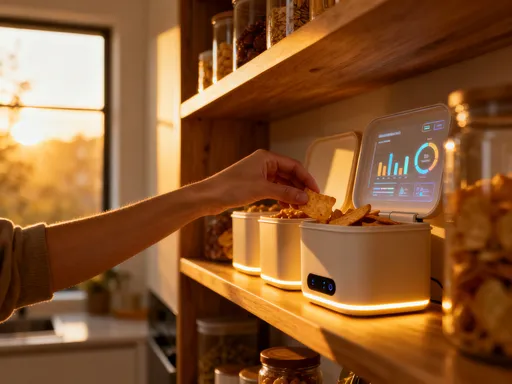
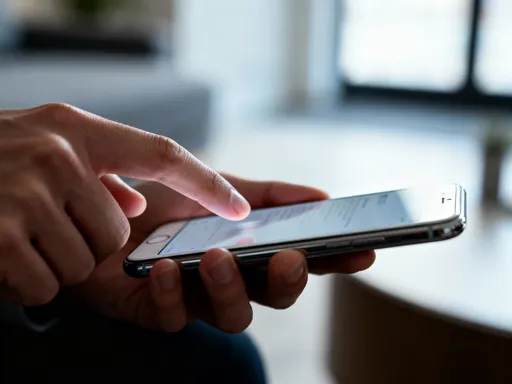
I started with a few smart containers—ones that use built-in weight sensors to track how much is inside. I put my oats, rice, nuts, and coffee in them. Each container connects to a simple app on my phone, and every time I open or close the lid, it logs the change. No scanning, no manual entry—just real-time tracking that happens in the background. There are also labels with QR codes for items like pasta or cereal, which I can scan when I add or remove them. It’s not perfect, but it’s close enough to give me a clear picture of what I have and what I’m using.
The real game-changer? Getting alerts when something is running low or about to expire. I remember the first time my app told me my almonds were down to 10%. I didn’t even realize I’d been snacking on them so much. Another time, it reminded me that my frozen berries were approaching their best-by date. I made a smoothie that night instead of letting them sit there for months. These little nudges didn’t feel intrusive—they felt like help. Like someone was finally paying attention.
What surprised me most was how quickly it became part of my routine. I didn’t have to change the way I cooked or shopped. I just kept doing what I was doing, and the system quietly learned my habits. No complicated setup, no tech jargon, no pressure. Just a gentle, behind-the-scenes partner that helped me stay on track without demanding my attention. It wasn’t replacing me—it was supporting me.
From Mindless Munching to Mindful Eating
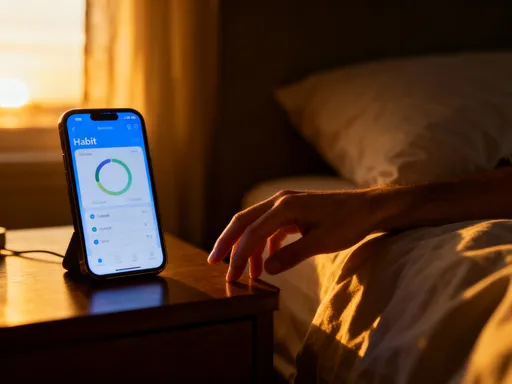
Once my pantry started “remembering,” I started noticing things—patterns I’d never seen before. The app showed me that I was reaching for chocolate almost every afternoon around 3 p.m. I hadn’t even realized it was that consistent. I also saw that I bought spinach every Sunday, but rarely used it before it went bad. These insights weren’t judgmental. They weren’t telling me I was doing something wrong. They were just showing me what was actually happening.
And that clarity made all the difference. When you can see your habits clearly, you start to understand them. I realized I was snacking out of habit, not hunger. That 3 p.m. chocolate run? It wasn’t because I was starving—it was because I was tired, stressed, or bored. Once I saw the pattern, I could make a real choice. I started keeping a thermos of herbal tea at my desk. On days when I remembered, I’d pour a cup instead of grabbing chocolate. Some days I still reached for the sweets, and that was okay. But now it was a choice, not a reflex.
The same thing happened with my veggies. Seeing how often I let them go bad made me want to change. I started planning one or two simple meals each week that used up whatever was about to expire. A stir-fry with the last of the carrots and broccoli. A frittata with the aging spinach. These weren’t gourmet recipes—just easy, flexible meals that made use of what I already had. And slowly, I started wasting less and feeling more in control.
What I love most is that this wasn’t about restriction. It wasn’t about cutting out snacks or forcing myself to eat kale every day. It was about awareness. When you know what you’re doing, you can make better choices—not because you’re being punished, but because you want to. The tech didn’t change my behavior. It just made it visible. And once I could see it, change became possible.
Meal Planning That Actually Works
One of the biggest myths about eating well is that you need to plan every meal in advance. I used to spend hours on Sunday writing out a perfect meal plan—breakfast, lunch, dinner, snacks—only to abandon it by Tuesday. Life gets in the way. The kids have a late practice. I’m too tired to cook. The plan was too rigid, too unrealistic.
Smart storage changed that. Instead of me trying to predict the week, my kitchen started helping me respond to what was actually happening. The app suggests recipes based on what’s about to expire or what I’ve been eating a lot of. When it noticed I had leftover quinoa and roasted veggies, it suggested a grain bowl recipe. When it saw I was low on protein, it reminded me to pick up eggs on my next grocery trip. It wasn’t bossing me around—it was offering helpful ideas.
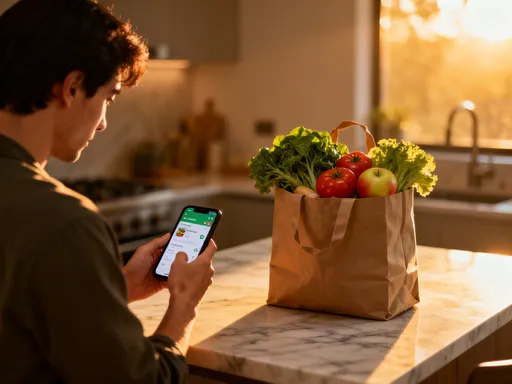
I also connected it to my grocery delivery app. Now, when I’m running low on coffee or oats, it automatically adds them to my shopping list. I can review the list before checkout, remove anything I don’t need, and add extras if I’m planning something special. It’s saved me so much time—and so much impulse buying. I used to walk into the store and come out with three things I didn’t need. Now, I go in with a clear list and stick to it.
The best part? The suggestions are flexible. If I’m in the mood for soup, it finds recipes that use what I have. If I want something quick, it shows me 15-minute meals. It adapts to my life, not the other way around. And because it’s based on real data—what I actually eat, what I run out of, what I ignore—it feels personal. It’s like having a friend who knows my kitchen as well as I do.
Less Waste, More Wins
Let’s talk about food waste. It’s something we all know we should care about, but it’s easy to ignore when it’s happening quietly in the back of the fridge. I didn’t realize how much I was throwing away until I started getting those “use soon” alerts. Spinach. Berries. Leftover rice. Things I’d forgotten about, but the system remembered.
One night, I got a notification that my bell peppers were nearing their end. I almost ignored it—until I remembered I had onions and canned beans. I chopped them up, threw in some spices, and made a quick pepper stir-fry. It wasn’t on any meal plan. It wasn’t fancy. But it was delicious, and I felt proud of myself for using what I had.
Over time, these small wins added up. I started saving money—hundreds of dollars a year, according to my grocery receipts. But more than that, I felt better. Wasting food didn’t just cost money—it made me feel guilty, like I was failing. Now, when I use up something before it goes bad, it feels like a tiny victory. I’m not perfect. I still forget things sometimes. But now I catch them sooner.
And there’s a quiet kind of pride in knowing I’m doing a little better for the planet. I’m not giving lectures or posting about it on social media. I’m just making small, consistent choices that add up. The tech doesn’t make me feel guilty about waste. It helps me avoid it. And that makes all the difference.
A Home That Understands You
Here’s something I didn’t expect: my kitchen started feeling more personal. Not because it was full of gadgets, but because it started to know me. It learned when I tended to snack, what ingredients I reached for most, what I consistently ignored. It didn’t judge me for buying chocolate. It just remembered.
There’s something comforting about being seen, even by a pantry. It’s not cold or robotic. It’s thoughtful. It remembers what I forget. It helps me take care of myself in small, consistent ways. And that has a ripple effect. When my kitchen feels organized and supportive, I feel calmer. I’m less stressed about meals. I have more mental space for the things I love—reading, spending time with my family, even just sitting quietly with a cup of tea.
This isn’t just about food. It’s about self-respect. When I take the time to organize my kitchen, I’m saying, “I matter. My time matters. My well-being matters.” The smart system isn’t replacing that care—it’s amplifying it. It’s helping me live with more intention, not less. And that feels good.
I used to think technology in the home was about convenience. Now I see it differently. It’s about care. It’s about creating a space that supports you, not one that demands more from you. My kitchen doesn’t control me. It cares for me. And that makes all the difference.
Living Lighter, One Meal at a Time
Looking back, I realize that organizing my food didn’t just change what I eat—it changed how I live. With less mental clutter, I have more energy. I’m not constantly trying to remember what’s in the fridge or what I need to buy. I’m not stressed about waste or guilty about my choices. I’m just living, one meal at a time.
It’s not about perfection. Some weeks are better than others. Sometimes I still buy too much. Sometimes I forget to check the app. But the system is always there, gently guiding me back. It’s not a quick fix. It’s a shift—a slow, steady move toward a more thoughtful, effortless life.
What I’ve learned is that the best technology isn’t the flashiest. It’s the kind that fades into the background and makes your life easier without demanding your attention. It’s not about impressing anyone. It’s about feeling in control. It’s about knowing that your home is working with you, not against you.
If you’ve ever stood in front of an open fridge, unsure what to eat, I want you to know—you’re not alone. And you don’t have to figure it all out on your own. Let your kitchen help. Let it remember for you. Let it give you a little more space, a little more peace, a little more joy in the everyday. Because you deserve that. And honestly? It’s easier than you think.