It’s Not Just a Desk: How My Smart Workspace Helped Me Learn Better Every Day
Remember that moment when you sat down to learn something new, only to get distracted by noise, discomfort, or just feeling “off”? I’ve been there too. But everything changed when I stopped treating my workspace as just a desk and chair—and started seeing it as a quiet partner in my growth. This isn’t about expensive gadgets; it’s about small, thoughtful tech choices that help you focus, stay comfortable, and actually enjoy learning. Let me show you how it transformed my daily life.
The Moment I Realized My Space Was Holding Me Back
For years, I blamed myself whenever I couldn’t stick with an online course or finish reading an article. I thought I lacked discipline. I thought maybe I just wasn’t the kind of person who could learn consistently after work, between meals, and after putting the kids to bed. But one rainy Tuesday night, something clicked. I had promised myself I’d complete a 30-minute lesson on nutrition—something I’d been putting off for weeks. I sat down, opened my laptop, and within five minutes, I was scrolling through recipes, checking the weather, and wondering why the kitchen light flickered.
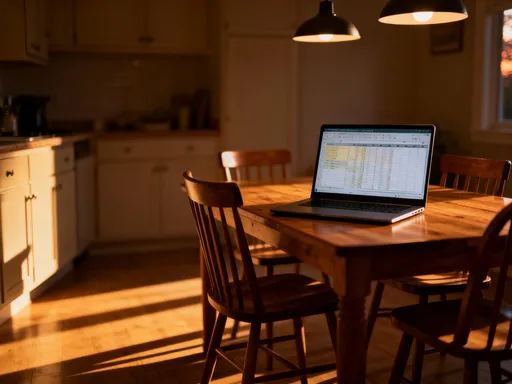
That’s when it hit me: the problem wasn’t me. It was the space. My desk was shoved into a corner near the laundry room, where the washing machine hummed every evening. The chair gave me back pain after 20 minutes. The overhead light buzzed faintly, casting harsh shadows on my screen. And my phone? Always within reach, always tempting. I wasn’t failing—I was being set up to fail. That night, I made a quiet promise: I would stop fighting myself and start fixing my environment. Because if I wanted to grow, my space had to grow with me.
Redefining the Smart Work Area: More Than Just Gadgets
When I first heard the phrase “smart workspace,” I pictured futuristic glass desks with holograms and voice-activated coffee machines. That’s not what I needed—or wanted. What I really wanted was a space where I could sit down and actually stay focused, where my body felt supported, and my mind didn’t wander every few minutes. So I redefined “smart” not as flashy, but as thoughtful. Smart, to me, meant intentional. It meant designing a corner of my home that worked *with* me, not against me.
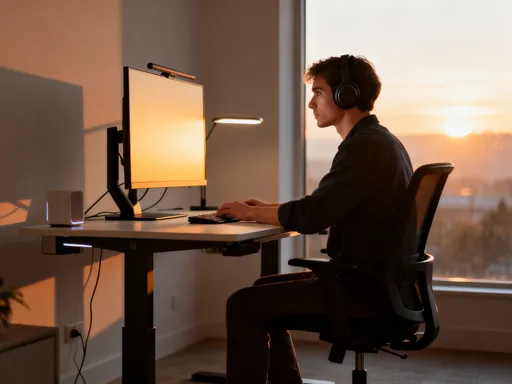
I started small. The first thing I changed was the lighting. I replaced the harsh overhead bulb with a smart lamp that adjusts its color temperature throughout the day. In the morning, it emits a bright, cool light that helps me feel alert. By evening, it shifts to a warm, soft glow that doesn’t interfere with my sleep. I didn’t realize how much light affected my focus until I could actually see the difference. Suddenly, my eyes weren’t strained, and I wasn’t squinting at the screen.
Next came the desk. I invested in a height-adjustable one—nothing too fancy, just sturdy and functional. Being able to switch between sitting and standing made a surprising difference in my energy levels. I no longer felt sluggish by mid-afternoon. And my back? Much happier. I paired it with an ergonomic cushion and a simple footrest, little things that made long sessions feel lighter.
Then came the digital clutter. I used a smart plug to power down my TV and router during my learning hours. No more accidental Netflix binges when I meant to study. These weren’t expensive upgrades, but they created a rhythm. When the lights turned warm and the router went quiet, my brain knew: it was time to focus.
How Interest Groups Transformed My Learning Experience
I’ll admit—I used to think learning was a solo journey. I pictured myself quietly reading, taking notes, and hoping I’d remember it all. But when I joined an online group of women who were also building home workspaces for learning and personal growth, everything changed. It started as a simple Facebook group called “Quiet Growth at Home,” full of moms, caregivers, and women re-entering the workforce. We shared photos, tips, and frustrations.
At first, I just scrolled. But when I posted a picture of my new setup—my smart lamp, my tidy desk, my noise-canceling headphones—I was surprised by the responses. “How do you keep from getting distracted?” one woman asked. “What’s the lamp model?” asked another. Soon, we started a weekly Zoom check-in. No pressure, no presentations—just 30 minutes to say what we’d learned, what felt hard, and what small win we celebrated.
That sense of connection made all the difference. I wasn’t just doing this for myself anymore. I was part of something. When I skipped a day, I didn’t just let myself down—I let down the group. And when I finished my first certification, they were the first to cheer. One member even said, “You made me believe I could do it too.” That’s when I realized: a smart workspace isn’t just about gadgets. It’s about creating the conditions for connection, accountability, and encouragement.
Learning Smarter: The Role of Ambient Tech in Focus and Retention
Have you ever noticed how a certain song or scent can bring you right back to a memory? I started thinking about my workspace the same way—what if I could use sound and environment to cue my brain into “learning mode”? That’s when I discovered ambient tech: the quiet, background helpers that shape how we feel and think without demanding attention.
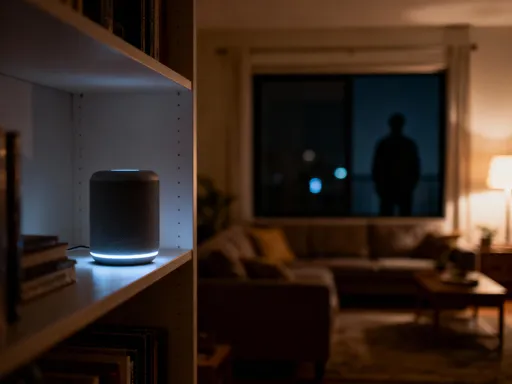
I began using a small smart speaker to play focus playlists during my sessions. Not loud music—just gentle, repetitive sounds like rain, ocean waves, or soft piano. At first, I thought it was just background noise. But over time, I noticed something: I entered “the zone” faster. My mind wasn’t jumping from task to task. I could read a full page without checking the clock. Research shows that certain soundscapes can reduce mental fatigue and improve concentration, and I was living it.
Temperature mattered too. I used to get too warm and drowsy, or too cold and restless. So I added a smart thermostat that learns my schedule and keeps the room between 68–72°F—the sweet spot for focus, according to sleep and cognitive studies. I didn’t have to adjust the heat anymore. It just… worked.
Even the air quality made a difference. I placed a small air purifier in the corner, not because I had allergies, but because clean air helps me think more clearly. I can’t prove it with data, but I *feel* sharper on days when the air feels fresh. These tools don’t shout for attention. They hum in the background, like a good friend who knows when to speak and when to just be there.
Building a Routine That Sticks—With a Little Help from Automation
We all know willpower fades. I used to rely on motivation to start learning—wait for the “right mood,” wait until the house was quiet, wait until I felt ready. Spoiler: that day never came. What finally worked wasn’t more discipline. It was less decision-making.
I set up tiny automations that made starting easier. Every morning at 7:30, my smart lamp turns on automatically. It’s not bright, just enough to say, “Hey, it’s time.” That small cue replaced my old habit of hitting snooze and scrolling. On my tablet, a daily reminder pops up: “Ready to learn something new today?” I tap yes or no. If yes, it opens my current course. If no, it reschedules for later. No guilt, no pressure—just a gentle nudge.
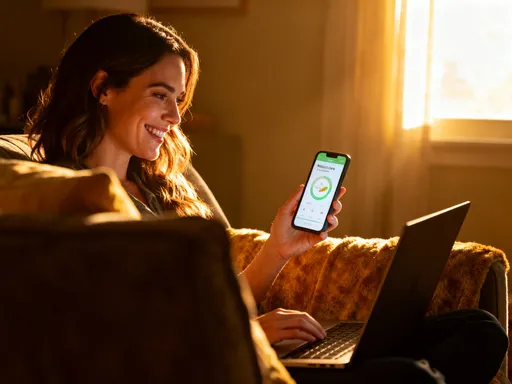
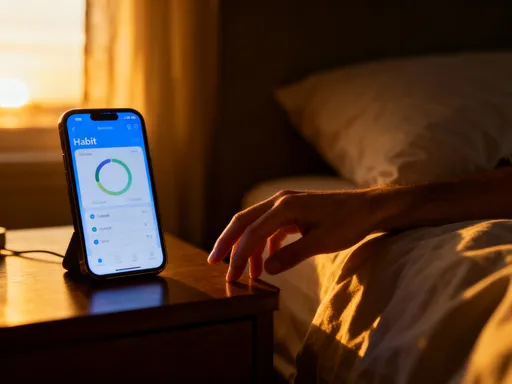
I also use a habit-tracking app that celebrates small wins. After five days in a row, it sends a little animation and says, “You’re building a rhythm!” It sounds silly, but it works. I started looking forward to that tiny celebration. And the more I showed up, the more my brain associated the desk with progress, not pressure.
The real magic? These systems don’t require perfection. If I miss a day, the app doesn’t scold me. It just waits. And when I come back, it’s still there, ready. Over time, learning stopped feeling like a chore. It became a part of my day, like brushing my teeth or making coffee—something I do without thinking.
Sharing the Space, Sharing the Growth: Involving Family Without Distractions
When I first started upgrading my workspace, my partner joked, “Are you building a command center?” I laughed, but I also wondered—was I making this too serious? Was I shutting people out? That changed when they saw how much calmer I was after work. Instead of zoning out on the couch, I was energized, present, and actually talking about what I’d learned.
We decided to turn my workspace corner into a shared zone. They set up their laptop on the other side of the desk, and we both use noise-canceling headphones during focus hours. We call it our “quiet time ritual.” From 7 to 8 PM, the TV stays off, the phones go face down, and we both work on our own things—me studying, them catching up on emails or reading. We don’t talk much during that hour, but we’re together. It’s peaceful.
We sync our focus times using a shared digital calendar. A green block means “do not disturb.” A yellow block means “okay to interrupt for urgent things.” It’s simple, but it respects both of our needs. And sometimes, after our quiet hour, we’ll share what we learned. Last week, I taught them how to use a new recipe app. The week before, they showed me a shortcut on my tablet I’d never noticed. It became a quiet exchange of growth—no pressure, just sharing.
Even the kids got involved. They know “Mom’s light is on” means she’s in learning mode. They’ve started using their own headphones for homework. One even said, “I want a focus hour too.” Can you believe that? What started as my personal upgrade became a family rhythm.
The Ripple Effect: From Better Learning to a More Balanced Life
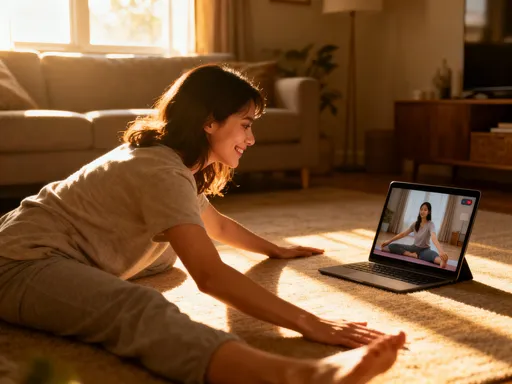
I didn’t expect a new desk setup to change my life. But here’s what happened: I finished a nutrition certification I’d started two years ago. I learned enough Spanish to video call my niece abroad without subtitles. I even taught my parents how to use video chat so we could have weekly family calls. These weren’t huge achievements on their own, but together, they added up to something bigger: confidence.
I started feeling like someone who could actually follow through. Who could learn, grow, and show up—even on tired days. The tech didn’t do the work for me. I still had to click play, take notes, and keep going. But it created the conditions where I could. It removed the friction, softened the edges, and made space for me to breathe.
And that changed how I moved through the rest of my life. I was more patient with the kids. More present with my partner. More willing to try new things—like signing up for a local cooking class or starting a small garden. The focus and calm I built at my desk spilled into my kitchen, my garden, my relationships. I wasn’t just learning new skills. I was becoming a different version of myself—one who believed growth was possible, one moment at a time.
Conclusion
Your workspace doesn’t need to be high-tech to be smart. It just needs to care about you as much as you care about growing. You don’t need a full smart home setup. You just need one small change that makes it easier to show up—better lighting, a comfortable chair, a quiet hour, a supportive community. Start there.
Because the truth is, we’re not lazy. We’re not undisciplined. We’re just working in spaces that weren’t designed for us. When we give ourselves the tools to focus, feel comfortable, and stay connected, learning stops being a battle and starts being a joy. The right environment doesn’t replace effort—it makes effort possible.
So look at your space. Not with judgment, but with kindness. Ask: What would make this easier? What small thing could I add to help me feel supported? Maybe it’s a lamp. Maybe it’s a daily reminder. Maybe it’s a shared quiet hour with someone you love. Whatever it is, let it be your quiet partner in growth. Because sometimes, the most powerful technology isn’t the one that dazzles—it’s the one that helps you become who you’re meant to be.