What if your smart home is watching you more than you realize?
We’ve all felt it—that quiet unease when a smart speaker seems to respond before we speak, or a bill-tracking app knows just a little too much. These tools promise ease and savings, but what’s the real cost? In a world where convenience meets constant connectivity, the line between helpful and intrusive blurs. This isn’t about fear—it’s about awareness. Let’s talk honestly about how we can enjoy tech’s benefits without handing over our privacy. Because when your home learns your habits, your routines, even your silences, the question isn’t whether it’s smart—but who’s really in control.
The Silent Observer in Your Living Room
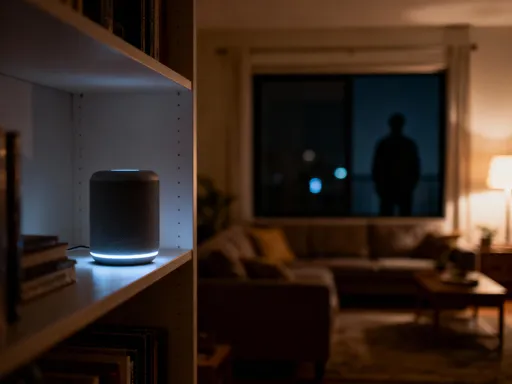
Imagine walking into your home after a long day. The lights warm up just the way you like them. The thermostat has already adjusted to your preferred temperature. Your favorite playlist starts softly in the background. It feels like magic—like your house knows you. And in a way, it does. But have you ever paused to wonder how it knows? That smart speaker on the shelf? It’s listening. Not all the time, perhaps, but enough. Enough to catch your voice commands, yes, but also the tone of your voice, the time of day you speak, even the background noise that tells a story all its own.
Smart homes are no longer the future—they’re here, and they’re growing. From voice assistants like Alexa and Google Assistant to smart thermostats, lights, and security cameras, these devices are designed to make life easier. But ease comes with a quiet trade-off: data. Every time you adjust the temperature with an app, dim the lights with your phone, or ask your speaker to set a reminder, you’re leaving a digital footprint. And those footprints are being collected, stored, and analyzed—often by companies whose business models depend on knowing more about you.
Take the thermostat, for example. It doesn’t just learn when you like the heat turned up. It learns when you wake up, when you leave for work, when you come home, and when you go to sleep. That’s useful for energy savings, sure. But it’s also a detailed map of your daily life. Combine that with your smart lights—which know when you’re awake at night—or your voice assistant, which might catch snippets of conversations—and suddenly, your home isn’t just smart. It’s observant. And while none of this is meant to scare you, it’s important to see it clearly: the devices we invite into our most personal spaces are watching, listening, and learning.
And here’s the thing—most of us don’t mind. We love the convenience. We appreciate not having to fumble for the light switch or remember to turn off the AC. But awareness matters. Because when we don’t know what’s being collected, we can’t make informed choices. And when we don’t make choices, someone else does for us. This isn’t about rejecting technology. It’s about understanding it. Your home should feel like a sanctuary, not a surveillance zone. And that starts with asking the simple question: who’s really in the room?
Your Bills, Your Data, Your Digital Footprint
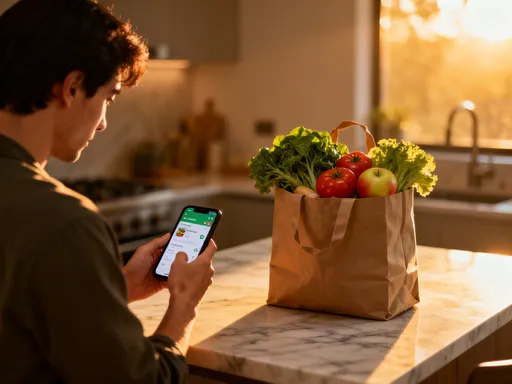
Let’s talk about your bills. Not the amount—though that matters—but what they reveal. When you use an app to track your electricity usage, it doesn’t just show how much you spent. It shows when you used it. Did you turn on the oven at 6:30 p.m.? Did the kids leave their bedroom lights on until midnight? Was the living room TV on during the afternoon when no one should be home? That data might help you save money, but it also paints a detailed picture of your family’s life.
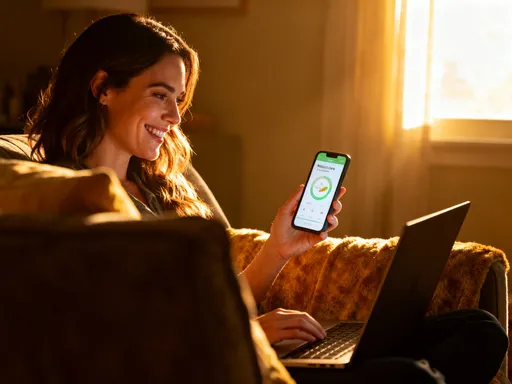
Smart meters, energy monitors, and utility apps are becoming more common. They promise transparency, control, and savings. And for many families, they deliver. You can see which appliances use the most power, adjust habits, and lower your bills. That’s powerful. But power comes with visibility. The same data that helps you save energy can also be used to infer your routines, your preferences, even your emotional state. A sudden spike in late-night usage might suggest stress, insomnia, or a change in household dynamics. A week of low usage could mean you’re on vacation—valuable information not just to you, but to others.
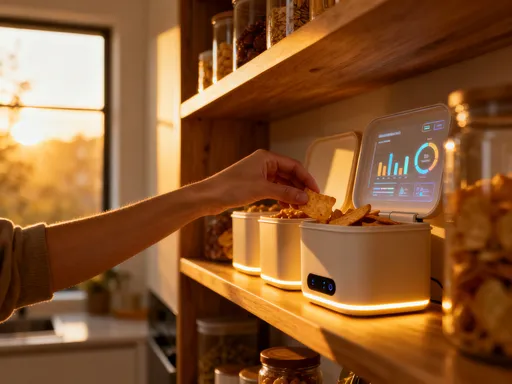
And it’s not just energy. Think about your smart fridge. It might track what you eat, when you restock, and even suggest recipes based on your habits. That sounds helpful—until you realize it’s building a profile of your diet, your budget, and your lifestyle. Or your smart washer, which logs how often you do laundry, what cycle you use, and when. Alone, these data points seem harmless. But when combined, they form a narrative—your narrative. And that narrative can be used in ways you never intended.
Insurance companies might one day use energy usage patterns to assess risk. Marketers could target you based on your cooking habits. Even third-party apps you’ve never heard of might access this data through partnerships you didn’t read about in the fine print. The point isn’t to panic. It’s to recognize that every time you connect a device to your home network, you’re sharing a piece of your life. And while that can bring real benefits, it also means your private moments are becoming public data. So ask yourself: how much of your story are you comfortable letting your appliances tell?
The Hidden Cost of “Free” Convenience
Here’s a question: when an app says it’s free, what does that really mean? Think about the tools you use—budget trackers, energy monitors, smart home hubs. Many of them don’t charge you a dollar. But that doesn’t mean they’re free. In the digital world, if you’re not paying, you’re often the product. Your data is the currency. And while that might sound dramatic, it’s the reality behind many “free” services.
Let’s take a popular bill-tracking app. It connects to your utility accounts, analyzes your usage, and sends you tips to save money. Sounds great, right? But how does the company make money? Often, through data sharing. They might anonymize your information and sell it to energy providers, marketers, or research firms. Or they might use it to improve their own services—services that could one day come with a subscription fee. And while anonymized data sounds safe, studies have shown that it’s often possible to re-identify individuals when multiple data sets are combined. That means your “anonymous” energy report could still point back to you.
Then there’s the terms of service. How many of us actually read them? We click “agree” because we want to use the app, because we’re in a hurry, because it feels like there’s no other choice. But those pages of fine print often contain clauses that give companies broad rights to collect, store, and share your data. They might say they won’t sell your personal information—but then define “personal information” so narrowly that your location, usage patterns, and device IDs don’t count. Clever, yes. Honest? Not always.
The truth is, we accept these trade-offs because the benefits feel immediate and the risks feel distant. We save ten dollars on our electric bill this month. We get a reminder to unplug the coffee maker. We feel in control. But the cost isn’t always visible. It’s in the long-term erosion of privacy, the slow accumulation of data that could one day be misused, or the quiet normalization of being watched in our own homes. This isn’t about blaming users. We’re all busy. We all want convenience. But awareness changes everything. When you understand that “free” often means “paid in data,” you can start making smarter choices. You can look for tools that are transparent, that respect your boundaries, that let you say no. Because real convenience shouldn’t come at the cost of your peace of mind.
Privacy Isn’t Paranoia—It’s Protection
Sometimes, when I talk about privacy with friends, I see a look in their eyes. A slight roll, a quiet sigh. “Oh, here we go,” they think. “Another tech alarmist.” But let me say this: caring about privacy isn’t about fear. It’s about respect. Respect for yourself, for your family, for the quiet moments that belong only to you. Think about it like this: you lock your front door every night. Not because you expect a burglar, but because it’s a basic act of care. You wouldn’t leave your house wide open just because “nothing bad has happened yet.” So why do we treat our digital lives differently?
Your smart home is part of your home. It’s where your children play, where your family gathers, where you let your guard down. When devices in that space collect data without clear consent, it’s not just a tech issue—it’s a personal one. Imagine if a neighbor stood at your window every morning, noting when you woke up, what you ate for breakfast, when you left the house. You’d be upset. Yet, in a way, that’s what some smart devices do—just silently, digitally, and without asking.
Privacy isn’t about hiding. It’s about choice. It’s about deciding who gets access to your life and under what conditions. It’s about knowing that your routines, your habits, your quiet moments aren’t being turned into data points for someone else’s profit. And for families, it’s especially important. Children grow up in these homes. Their voices are recorded. Their movements are tracked. Their preferences are learned. Do we want their earliest memories to be part of a corporate database?
This isn’t about rejecting technology. It’s about using it thoughtfully. Just like you teach your kids to be kind, to be safe, to be responsible, you can also teach them—by example—that privacy matters. That it’s okay to say no. That it’s smart to ask questions. When you adjust your settings, when you read the terms, when you choose tools that respect your boundaries, you’re not being paranoid. You’re being protective. And that’s one of the most loving things you can do for your family.
Simple Steps to Stay in Control
Okay, let’s get practical. You don’t need to be a tech expert to protect your privacy. You just need to take a few small, consistent steps. Think of it like a home cleanup—nothing overwhelming, just regular maintenance. Start with your apps. Go through your phone and smart home devices. Look at which ones have access to your microphone, camera, location, or contacts. Do you really need your weather app to know where you are all the time? Probably not. Turn off permissions you don’t use. It takes five minutes, and it makes a difference.
Next, review your privacy settings. Most smart devices and apps have them buried in the menu. Spend an hour one evening going through them. Look for options like “voice recording history,” “data sharing,” or “personalized ads.” Turn off what you don’t want. Choose “local processing” over “cloud storage” when available—that means your data stays in your home, not on a server somewhere. And if you’re not sure what a setting does, look it up. Most companies have support pages that explain things in plain language.
Another simple step: set up a guest network for your smart devices. This keeps them separate from your main Wi-Fi, where your phone and laptop live. It adds a layer of protection. If a smart bulb gets hacked, it won’t give access to your banking apps. It’s like putting your tools in a separate shed—still useful, but contained.
And talk to your family. Make privacy a household habit. Explain to your kids why we don’t leave passwords on sticky notes or share too much online. Set rules—like no phones at the dinner table, or no voice assistants in private rooms. These aren’t restrictions. They’re boundaries. And boundaries make a home feel safer, more like yours. Progress, not perfection. You don’t have to fix everything tonight. Just start. One setting. One conversation. One small choice. Over time, they add up to real control.
Building Trust with Technology
The goal isn’t to fear your devices. It’s to trust them. And trust isn’t given—it’s earned. So how do you build trust with your tech? By choosing tools that respect you. Look for companies that are transparent about their data practices. That offer clear privacy policies. That let you delete your data easily. Some brands even let you opt out of data collection entirely. Others use end-to-end encryption, so only you can access your information. These aren’t rare features—they’re becoming more common as people demand better.
You can also explore open-source options—software that’s developed publicly, so anyone can check how it works. No hidden code. No secret data collection. It’s like buying a car with the hood open—you can see the engine. It might not be as flashy, but it’s honest. And for families, that honesty matters.
When shopping for new devices, ask questions. Does it store data locally? Can I turn off the microphone? Is there a physical camera cover? These aren’t techy questions—they’re basic ones, like asking if a car has seatbelts. And don’t be afraid to walk away from a product that doesn’t meet your standards. The market is full of options. You don’t have to settle.
Building a smart home should feel empowering, not exposing. It should make life easier, not more complicated. And when you choose devices that align with your values, you create a space that’s not just efficient, but ethical. A home where technology works for you, not the other way around. That’s the kind of trust that lasts.
Living Smarter, Not Just Smarter Homes
At the end of the day, this isn’t really about technology. It’s about life. About the moments that matter—the quiet mornings with coffee, the laughter around the dinner table, the peace of knowing your home is truly yours. Smart devices can enhance those moments, but they shouldn’t define them. The most powerful home isn’t the one with the most gadgets. It’s the one where you feel safe, respected, and in control.
Saving energy, saving money, saving time—those are real benefits. But so is saving your privacy. So is protecting your peace. When we use technology mindfully, we don’t just make our homes smarter. We make our lives richer. We teach our children that convenience shouldn’t come at the cost of comfort. We show them that it’s possible to embrace progress without losing ourselves in it.
So let’s keep asking questions. Let’s keep learning. Let’s keep choosing tools that serve us, not track us. Because the future of smart living isn’t about how much our homes know. It’s about how much we care. And when we care enough to protect our privacy, we build more than a smart home. We build a home that’s truly smart—and truly ours.