Tired of ghosting your friends over coffee plans? How smart point tracking keeps friendships alive
We’ve all been there—you promise to meet a friend for coffee, get busy, and suddenly realize a month has passed with no word. It’s not that we don’t care; life just gets overwhelming. But what if the same technology that tracks your loyalty points for free drinks could also help you stay present in your friendships? It turns out, smart tools designed for saving time and energy can do much more than cut costs—they can deepen the connections that matter most. Think about it: we let apps remind us when our milk is about to expire, but we forget to text someone who’s been on our mind for weeks. What if our devices could gently nudge us to nurture the people we love, not just the things we buy?
The Slow Drift No One Talks About
Friendships don’t usually end with a fight. They fade in silence. One text goes unanswered, then another. A plan gets postponed, then forgotten. Before you know it, six months have passed, and the thought of reaching out feels awkward, like knocking on a door that might not open anymore. This kind of slow drift is something so many of us experience, especially in our 30s and beyond, when life fills up with school pickups, work deadlines, aging parents, and endless to-do lists. You’re not a bad friend—you’re just busy. And that’s exactly what makes it so sneaky.
I remember looking at my phone one evening and realizing I hadn’t spoken to my college roommate in over two months. We used to talk every week—sometimes daily. Now, it felt like I was waiting for her to reach out first. But then I thought, She’s probably thinking the same thing. That moment hit me: we were both holding back, both hoping the other would make the move. And in that gap, something precious was slipping away. Research shows that strong friendships improve mental health, reduce stress, and even contribute to longer life. Yet we treat them like background music—always there, until suddenly, they’re not.
The truth is, we don’t need grand gestures to keep friendships alive. We need small, consistent moments of showing up. But consistency is hard when your brain is already overloaded. That’s where technology, used wisely, can step in—not to replace real connection, but to support it. Because sometimes, all it takes is a little nudge to turn intention into action.
When Loyalty Points Remember What We Forget
Think about how many apps already know your habits. Your coffee shop app knows you order a oat milk latte every Tuesday. Your grocery app remembers you always buy that specific brand of crackers. These platforms track everything—not just what you buy, but when, where, and often, with whom. They’re designed to reward loyalty, but what if we expanded that idea of loyalty beyond transactions? What if your favorite café app could help you stay loyal to the people you care about?
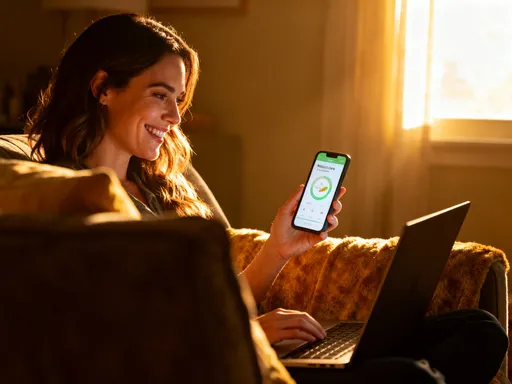
Here’s how it works: most loyalty programs send you notifications when you’re close to earning a free drink or when a reward is about to expire. That’s great for saving a few dollars. But imagine if that same system noticed that you and your best friend haven’t visited your usual spot together in weeks. What if it sent a message like: You and Lisa have 750 points sitting unused—how about treating yourselves this Friday? That’s not just a marketing ploy. That’s a gentle, guilt-free reminder to reconnect.
Some apps already have features that make this possible. Shared accounts, gift options, and joint rewards exist in many popular programs, but most of us never use them for friendship maintenance. We think of points as personal savings, not relationship tools. But shifting that mindset changes everything. Suddenly, technology isn’t just helping you save money—it’s helping you save time, energy, and emotional bandwidth. It’s like having a thoughtful friend in your pocket, one who remembers the little things so you don’t have to.
And here’s the best part: these reminders don’t feel like obligations. They feel like invitations. There’s no pressure, no guilt-trip. Just a soft prompt that says, Hey, this thing you enjoy? You haven’t done it in a while. Maybe now’s a good time. And sometimes, that’s exactly what we need to take the first step.
Turning Points into Meaningful Moments
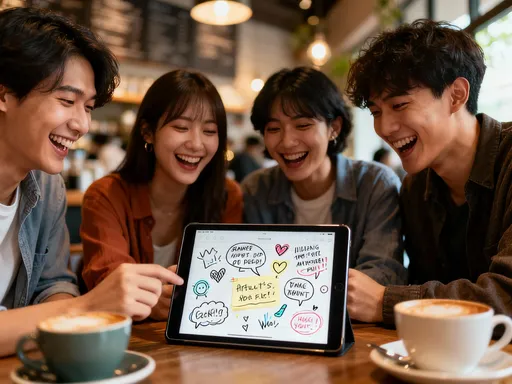
Have you ever saved up points for months, only to forget to use them before they expire? It’s frustrating, right? But what if those points weren’t just about getting a free drink—but about creating a shared experience? That’s the magic of repurposing loyalty rewards. When you and a friend intentionally link your points, you’re not just saving for coffee. You’re saving for connection.
Let me give you a real-life example. My friend Sarah and I decided to pool our points at our favorite local café. Every time one of us made a purchase, we’d add a few extra points to our joint total. It wasn’t much—just a few lattes’ worth over time—but it gave us something to look forward to. When we hit 1,000 points, we treated ourselves to a long-overdue brunch. That morning wasn’t just about the food. It was about the laughter, the deep conversations, the feeling of being truly seen. And it happened because a simple system made it easy to say yes.
Here’s how you can do it: pick a café or bookstore or any place you both love. Check if their loyalty program allows shared accounts or gifting. If it does, link up—even informally. Every time you visit, think of it as a tiny deposit in your friendship bank. And when the balance is high enough, cash it in for quality time. No planning, no pressure. Just a built-in reason to meet.
What makes this so powerful is that it turns routine spending into relationship-building. You’re already buying coffee. Why not let that habit serve two purposes? One rewards your wallet. The other rewards your heart. And over time, those small moments add up to something bigger—a rhythm of connection that feels natural, not forced.
Smart Notifications That Actually Care
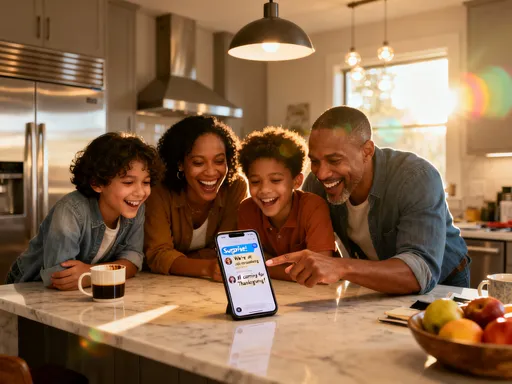
We get so many notifications every day—sales alerts, delivery updates, social media likes. Most of them demand something from us: buy, click, respond. But what if some of our alerts were designed to give back? What if your phone could send you reminders that make you feel better, not busier?
With a little customization, it can. Many calendar and reminder apps let you sync with loyalty programs or set recurring prompts. Try this: open your calendar and create a monthly event called “Friendship Check-In.” Set it to remind you two days before your points are about to expire at your favorite spot. Or go a step further—link it to a shared note with a friend where you both track your progress. When the alert pops up, it’s not just about using points. It’s about asking, When can we meet?
Some people even use voice assistants to help. You could say, “Hey Google, remind me every three weeks to check in with Mom and Sarah about coffee plans.” Or set a recurring note: “You haven’t seen Julie in a month. Send a voice message today.” These aren’t flashy features. They’re simple, low-tech hacks that make caring easier.
The goal isn’t to let technology run your relationships. It’s to let it handle the small stuff—so you can focus on the big stuff, like really listening when you’re together. Think of it like a helpful assistant who quietly clears the clutter, so you have more mental space for what matters. And over time, these little prompts create a pattern. You start meeting more regularly, not because you suddenly have more time, but because the barriers to connection have been lowered.
And here’s something beautiful: when you show up consistently, your friends notice. They feel valued. They feel remembered. And that builds trust—the kind that turns good friendships into lifelong ones.
The Hidden Energy of Small Gestures
We often think maintaining friendships takes big efforts—weekend trips, surprise gifts, long phone calls. But the truth is, it’s the small things that keep bonds strong. A quick text. A saved meme. A “thinking of you” voice note. These tiny acts of care take seconds, but their emotional impact lasts much longer. They send a quiet message: You’re on my mind. You matter.
The challenge isn’t that we don’t want to do these things. It’s that we forget. Or we think, I’ll do it later. And later never comes. That’s where smart tools come in—not to make us more efficient, but to make kindness easier. When your phone reminds you to send a message or use your points, it’s not stealing authenticity. It’s protecting it. Because the most authentic version of you is the one who shows up, even when life is busy.
And here’s something we don’t talk about enough: emotional energy is limited. Every decision, every task, every unanswered text drains a little bit of it. When technology reduces the effort of staying in touch, it conserves that energy. And that saved energy? You can use it to be fully present when you finally meet. Instead of feeling guilty or distracted, you can listen deeply, laugh freely, and enjoy the moment.
Think of it like charging a battery. Small gestures are the slow, steady charge that keeps your friendships powered. And when you finally get together, that’s the full discharge—the joyful, meaningful connection you’ve been missing. Technology helps you maintain the charge, so the discharge is strong and satisfying.
Building a Habit of Connection
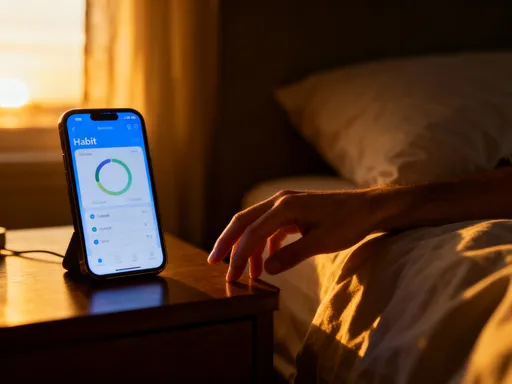
We all know how hard it is to build new habits. Exercise. Meditation. Drinking more water. They start strong, then fade. Why? Because they feel like chores. But what if staying in touch felt less like a duty and more like a reward?
That’s the power of pairing friendship with a loyalty system. Every time you meet up and use your points, you get a double win: quality time with a friend, plus a free drink or discount. Your brain starts to associate connection with positive reinforcement. Over time, you’re not just keeping a promise—you’re enjoying it.
Start small. Pick one friend. Pick one café. Link your points. Set a reminder. Make it so easy that saying no feels harder than saying yes. And when you meet, don’t rush. Savor the conversation. Take a photo. Save it in a folder labeled “Friendship Wins.” These visual reminders reinforce the habit, making it more likely to stick.
After a few months, you might notice something shift. You’re not dreading the effort of reconnecting. You’re looking forward to it. The habit has become a rhythm. And that rhythm becomes part of your identity: I’m someone who shows up for my friends. That’s not just good for them. It’s good for you—your mood, your confidence, your sense of belonging.
Technology That Serves What Matters Most
At the end of the day, we don’t want more convenience. We want more meaning. We don’t crave faster devices—we crave deeper connections. And the best technology isn’t the one that does the most, but the one that helps us be more human.
When we repurpose tools designed for shopping and turn them into bridges for bonding, we’re not being clever—we’re being intentional. We’re saying, This relationship matters, and I’m going to use every resource I have to protect it. That includes apps, notifications, and even loyalty points. Because love isn’t just a feeling. It’s a practice. And practice works best with support.
So the next time you earn a point at your favorite café, don’t just think about the free drink. Think about the friend you could share it with. Let the app remind you not just of savings, but of someone you care about. Let technology do the remembering, so you can do the loving.
Because in a world that pulls us in a hundred directions, the most revolutionary act might be simply showing up—with coffee in hand, heart open, and a little help from the tools we already use every day. That’s not just smart living. That’s living with heart.